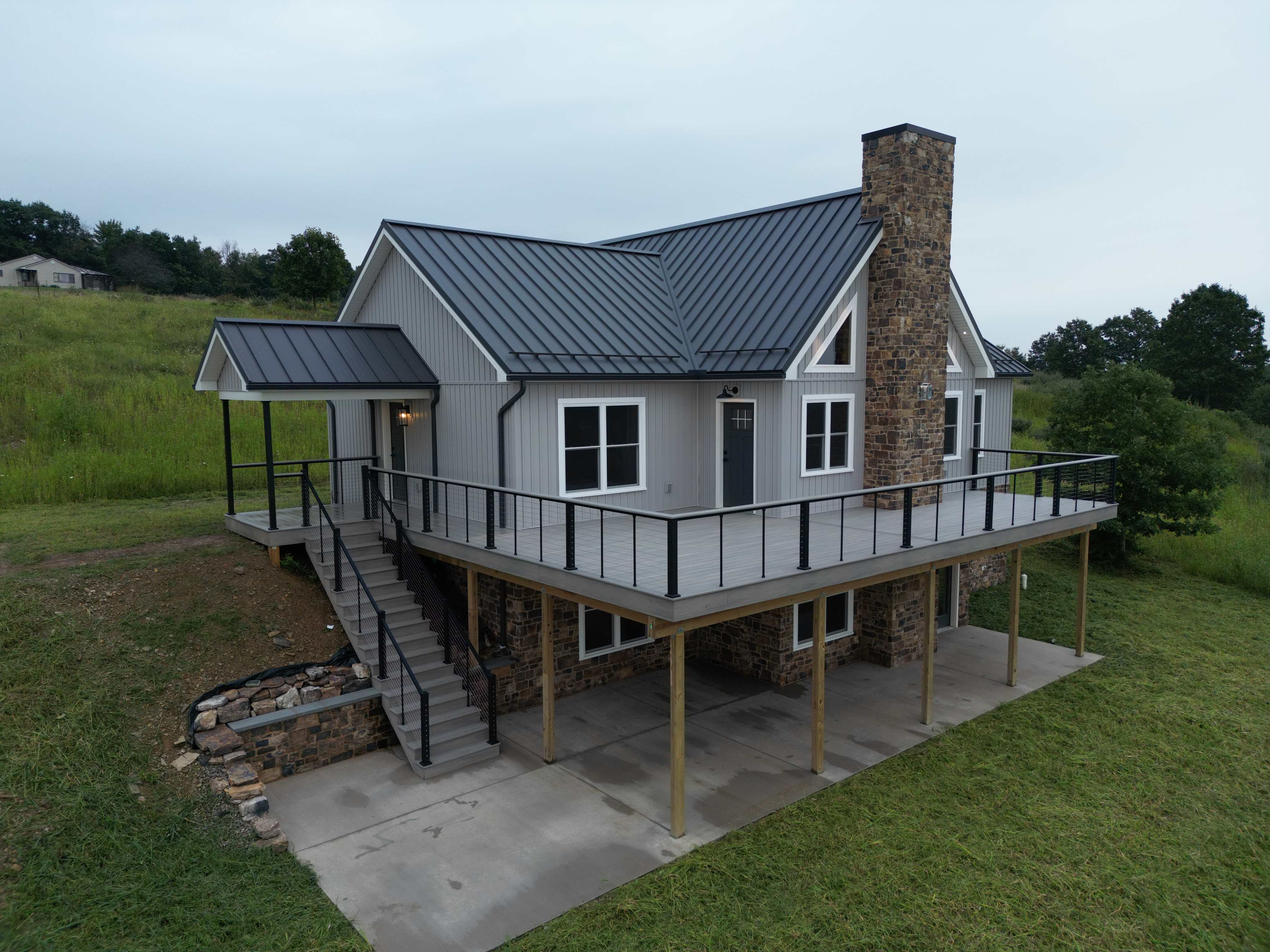
Whole-House Renovation in PA: Costs, Timeline & Tips

Do you love your neighborhood but feel like your house stopped working for your family years ago? Maybe the kitchen is cramped, the bathrooms are dated, and the wiring makes you nervous every time you plug in the space heater.
For many Central PA homeowners, the answer is not moving. It is a whole-house renovation. But a project this size comes with big questions. What will it cost? How long will it take? And can you actually live there while it happens?
At Crossroads Construction, we have spent over 25 years helping homeowners breathe new life into older homes. Let’s walk through what a whole-house renovation really involves, and how the design build renovation process keeps it on track.
What Counts as a Whole-House Renovation vs. a Remodel?
The two terms get used interchangeably, but they describe very different projects.
- A remodel usually focuses on one or two spaces, like a kitchen or a bathroom. The rest of the house stays as it is.
- A whole-house renovation touches most or all of the home at once. That often means updating the plumbing, electrical, and HVAC, opening up or reworking the floor plan, fixing structural problems, and refreshing finishes from top to bottom.
A good rule of thumb: if your project crosses multiple rooms and the systems behind the walls, you are likely looking at a whole-house renovation.

What Drives Whole House Renovation Costs?
No two homes are alike, so whole house renovation costs depend on what is hiding behind your walls and how much you want to change. Here are the biggest factors:
- Structure: Sagging floors, rotted framing, and foundation repairs come first, because everything else is built on top of them. On one whole-home renovation in Mifflinburg, we opened a leaking front wall and found extensive rot that had to be rebuilt before any finishes could go in.
- Systems: Older homes often need new electrical panels and wiring, updated plumbing, and a modern HVAC system. Once walls are open, it is the most cost-effective time to replace them.
- Layout changes: Moving a kitchen, removing a load-bearing wall, or adding a bathroom means new framing, beams, and rerouted plumbing and ductwork.
- Finishes: Cabinets, countertops, flooring, tile, and fixtures can swing your budget more than any other category.
- The age of your home: In homes built before 1978, the EPA requires contractors who disturb painted surfaces to be certified in lead-safe work practices, which adds steps to demolition and cleanup.

What Are the Typical Phases and Timelines?
Every renovation is different, but most whole-house projects move through the same phases:
- Consultation and site visit: We walk your home with you, talk through how you want to live in it, and set an honest budget.
- Design and pricing: Floor plans, 3D renderings, and selections come together alongside real cost estimates through our in-house design process.
- Permits and ordering: Drawings are submitted for approval, and long-lead items like windows and cabinets are ordered.
- Demolition: Walls, floors, and old systems come out, and we find out what the house has been hiding.
- Structure and rough-ins: Framing repairs and layout changes happen first, followed by new plumbing, electrical, and HVAC.
- Insulation and drywall: Once inspections pass, the walls close up and rooms start to take shape.
- Finishes and walkthrough: Cabinets, flooring, trim, and paint go in, and we walk through every room with you before we call it done.
So, how long does it take? According to the Houzz & Home study, renovation projects took an average of nine months from planning to completion, and a whole-house project often runs longer. The latest Houzz research also found that planning tends to take longer than construction itself.
That is not a bad thing. The more decisions you make on paper, the fewer surprises you face once the walls are open.

Can You Live in the House During a Renovation?
Sometimes, yes! It depends on how much of the home is torn up at once. You will likely need to move out, at least for a while, if:
- Your only kitchen or bathroom is being gutted with no workable backup
- Water, power, or heat will be shut off for extended stretches
- Lead paint or heavy dust is being disturbed in an older home, especially with young kids in the house
If moving out is not an option, a phased renovation can help. Instead of tackling everything at once, we work through the house in sections, so part of it always stays livable. On the Mifflinburg project above, our client renovated over several years, starting with the kitchen and living room before moving on to the front of the house and the exterior.
If you do stay, plan ahead. Set up a temporary kitchen with a microwave and coffee maker, keep kids and pets clear of work zones, and expect some noise and dust.

Do You Need Permits for a Whole-House Renovation in PA?
Almost always. Structural changes, new electrical and plumbing work, and HVAC replacements typically require permits and inspections under Pennsylvania’s Uniform Construction Code. For the full rundown, read our guide on what home projects need a permit in PA.
The good news? As a design-build contractor, we handle the permitting process for you.
Why Choose a Design-Build Renovation Process for my Home?
Whole-house renovations are full of surprises, so how your team is set up matters. Here is how design build vs general contractor compares:
- Traditional route: You hire an architect to draw plans, then take them to general contractors for bids. If the bids come back over budget, you pay for another round of revisions. And mid-project problems can turn into finger-pointing.
- Design-build route: Your designers, estimators, and carpenters work for the same company. Budget and design come together at the same time, and when demolition uncovers something unexpected, the same team solves it that day.
Residential design build contractors also give you one point of contact from the first walkthrough to the final punch list. You will never be stuck playing middleman.
Want to dig deeper? Read our full guide: What Is a Design-Build Contractor? Pros, Cons & Process.
Frequently Asked Questions
Is it cheaper to renovate or build new?
It depends on the condition of your home. If the structure is sound, renovating is often the better value.
Should I renovate all at once or in phases?
All at once is usually faster and more efficient. Phasing spreads out the cost and lets you stay in the home.
What if you find something unexpected?
We stop, show you what we found, and walk through your options before moving forward.
Ready to Love Your Home Again?
A whole-house renovation is a big project, but with the right design build contractor in your corner, it does not have to be overwhelming. Crossroads Construction is a local, family-owned team offering honest guidance, transparent pricing, and quality craftsmanship.
Contact us today to talk to an expert. We proudly serve Lewisburg, State College, Lewistown, Danville, and the surrounding Central PA areas.
With over 25 years of construction experience with high end home renovations and builds, combined with a strong work ethic and meticulous attention to detail, Crossroads Construction is prepared to do what it takes to help you improve your living space, whether that means an extensive home remodel or starting fresh from bare ground. Our team has been helping homeowners in Central PA design and build space they are proud of, and we are excited to do the same for you.